.png)
.png)
.png)
The Link Between Gut Health and Mental Health | Psychiatry Insights
Author : Tulika Shukla | 07 Sep 2025

The Gut-Brain Connection Explained
Your gut isn’t just for digestion. It’s home to trillions of bacteria, called the gut microbiome. These tiny organisms produce important chemicals like serotonin and dopamine that affect your mood and emotions. Here’s something surprising: almost 90% of serotonin is actually made in the gut, not in the brain.
When your gut is healthy, it sends positive signals to the brain and helps you feel balanced. But when it’s out of balance because of poor diet, stress, or illness, it may contribute to mental health struggles like depression, anxiety, or brain fog.
Why This Matters in Psychiatry
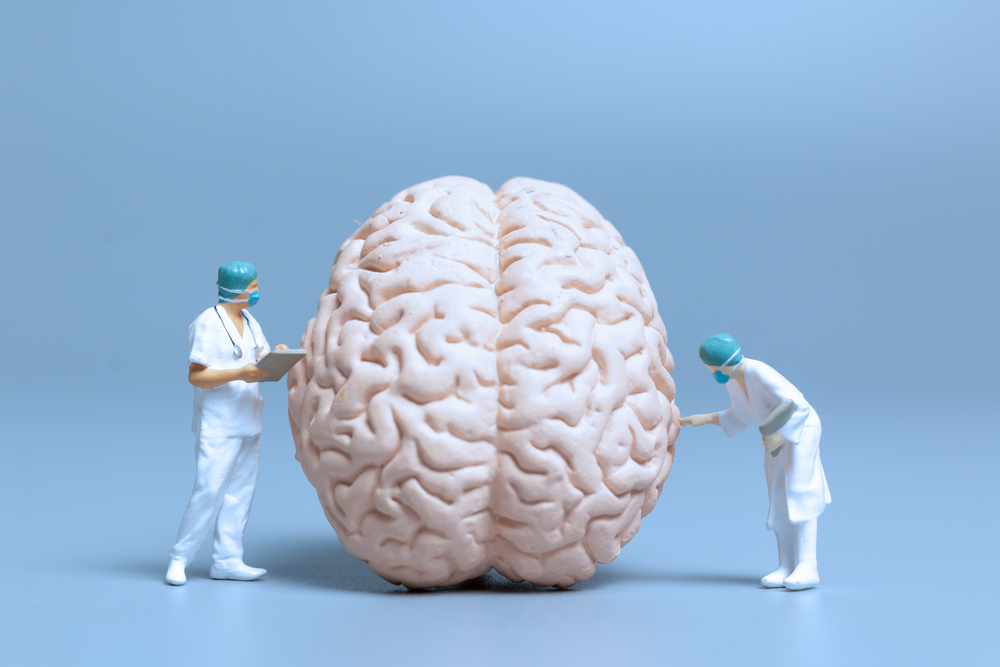
For a long time, psychiatry focused only on the brain. But now research shows that gut health plays a major role in mental health too. Psychiatrists are starting to look at both. For people dealing with stress or even treatment-resistant depression, lifestyle changes that support gut health may help alongside therapy or medication.
Practical Steps to Support Gut and Mental Health
The good news is, you can take simple steps to improve both your gut and your mood.
Here are a few psychiatrist-approved tips:
- Eat a variety of fiber-rich foods, whole grains, and fermented foods like yogurt or kefir
- Cut back on processed foods and sugar, since they can damage healthy gut bacteria
- Practice mindful eating to reduce stress while supporting digestion
- Stay active, because exercise boosts both mental health and the gut microbiome
- Reach out for professional help if you’re struggling with ongoing anxiety, depression, or gut-related issues
A Holistic Future for Mental Health
Psychiatry is moving toward a more complete model of care where doctors look at both the mind and the body. The gut-brain connection shows us that mental wellness isn’t just about the brain. It’s about how we take care of our whole self.
Read More
Ageless Thinking: Unconventional Tips for a Sharper Mind