
Let me Help you.

Close

Who is at risk of developing Anxiety disorder?

Like any other psychiatric disorder, it is difficult to pinpoint a single factor or a single cause for developing anxiety disorder. However, following are the contributory factors:

  • Women have higher rates of anxiety disorder than men.
  • Having a family history of psychiatric disorder also increases the risk.
  • Traumatic events in childhood.
  • Certain physical illnesses like thyroid disorders and hormonal disorders.
  • Certain personality traits.
Enquire Now

What are the different types of Anxiety disorder?

Following are the common types of Anxiety disorders.

Generalized anxiety disorder

characterized by nonspecific fear and anxiety, constant feeling of being on-edge, for a longstanding time period.

Phobias

Fear or anxiety in response to a specific stimulus (Claustrophobia fear of closed spaces, Arachnophobia fear of spiders, etc)

Social anxiety disorder

extreme and irrational fear of and hence avoidance of public, for fear of getting judged, and feeling humiliated and embarrassed.

Post-traumatic stress disorder (PTSD)

an anxiety disorder resulting from the stress of a severely traumatic event in life. It is common in war veterans.

Separation Anxiety

it is seen in children and is characterized by an extreme fear and anxiety about getting separated from a caregiver.

Panic disorder

characterized by panic attacks, which are brief episodes of intense fear and anxiety with breathlessness, rapid heart rate, sweating, hyperventilation, trembling, shaking and nausea. These attacks can be triggered by a specific fear, illogical and irrational thoughts, stress or general fear of the unknown.

What are the symptoms of Anxiety disorders?

Breathlessness

Palpitations

Rapid breathing

Cold and clammy palms

Sweating

Nausea

Trembling/shaking

Difficulty in concentrating

Nightmares

Obsessive thoughts

Constant feeling of being on-edge

Sleep disturbances

How are Anxiety disorders diagnosed?

Your psychiatric consultant will diagnose anxiety disorders from the symptoms, and after a complete psychiatric and physical evaluation. Various questionnaires are available for diagnosing anxiety disorders.

What is the treatment?

Treatment is done by a combination of psychotherapy and anti-anxiety medications. Cognitive Behavioural Therapy (CBT) has been found to be helpful in controlling anxiety disorders.

Enquire Now
Understanding ADHD

Understanding Anxiety Disorders

Anxiety disorders are among the most common mental health conditions, affecting a significant portion of the population. They encompass a range of disorders characterized by excessive fear, worry, or unease. Common types include:

  • Generalized Anxiety Disorder (GAD): Persistent and excessive worry about various aspects of life.
  • Panic Disorder: Recurrent, unexpected panic attacks involving sudden periods of intense fear.
  • Social Anxiety Disorder: Intense fear of social situations and being scrutinized by others.
  • Specific Phobias: Irrational fear of specific objects or situations, leading to avoidance behavior.

Common Issues We Address

  • Persistent worry or fear about everyday situations
  • Physical symptoms such as increased heart rate, sweating, or dizziness
  • Difficulty concentrating or mind going blank
  • Avoidance of certain situations or places
  • Sleep disturbances, including trouble falling or staying asleep
  • Irritability or restlessness

Managing Anxiety Tips

  • Practice deep breathing daily.
  • Maintain healthy sleep habits.
  • Exercise regularly to relax.
  • Limit caffeine and alcohol.
  • Focus on positive thoughts.
  • Seek help when needed.

Supporting Someone Anxious

  • Listen with empathy always.
  • Encourage professional support.
  • Be patient and kind.
  • Promote healthy daily routines.
  • Offer calm, steady presence.
  • Celebrate small improvements.

Explore Article

Recognizing the Signs of AVPD and Social Anxiety

It's not uncommon for medical and behavioral health conditions to present with overlapping symptoms, leading to potential misdiagnoses. While some cases might only result in minor confusion, others—such as avoidant personality disorder and social anxiety

Read More

Is Your Shyness Keeping You from Socializing?

Feeling too shy to meet people? You’re not alone. Discover how shyness affects social life and learn simple ways to overcome it with Dr. Tulika

Read More

Overthinking or Inner Knowing? Spotting the Signs

Learn how to distinguish between these two powerful forces with practical tips, science-backed insights, and actionable advice. Discover the difference today!

Read More

Rising Social Anxiety Among Dubai Youth Spurs Mental Health Action

Behind Dubai’s glamor, many young people quietly battle social anxiety. Learn how psychiatric support and therapy are changing lives.

Read More

How Anxiety Affects Sleep and What You Can Do About It

Discover practical strategies to manage anxiety and get a good night's sleep. Learn about relaxation techniques, mindfulness, and creating a sleep-friendly environment.

Read More

Ramadan Anxiety: How to Manage Stress and Find Peace During Ramadan

Ramadan is a time of reflection and spiritual growth, but it can also bring stress and anxiety. Learn practical tips to manage emotions, improve well-being, and embrace the true essence of Ramadan.

Read More
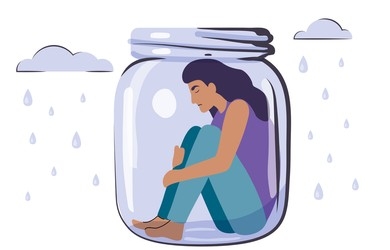
Understanding Anxiety by Breaking the Myths of Pop Psychology

As individuals, we have a natural inclination to try and comprehend the world around us. We often play the role of "armchair psychologists," attempting to devise our own reasonable explanations for human behavior.

Read More

Frequently Asked Questions

When life gets messy,
Reaching out for help is brave