.png)
.png)
.png)
Impact of War on Mental Health and Emotional Well-Being Being
Author : Dr.Tulika | 11 May 2026
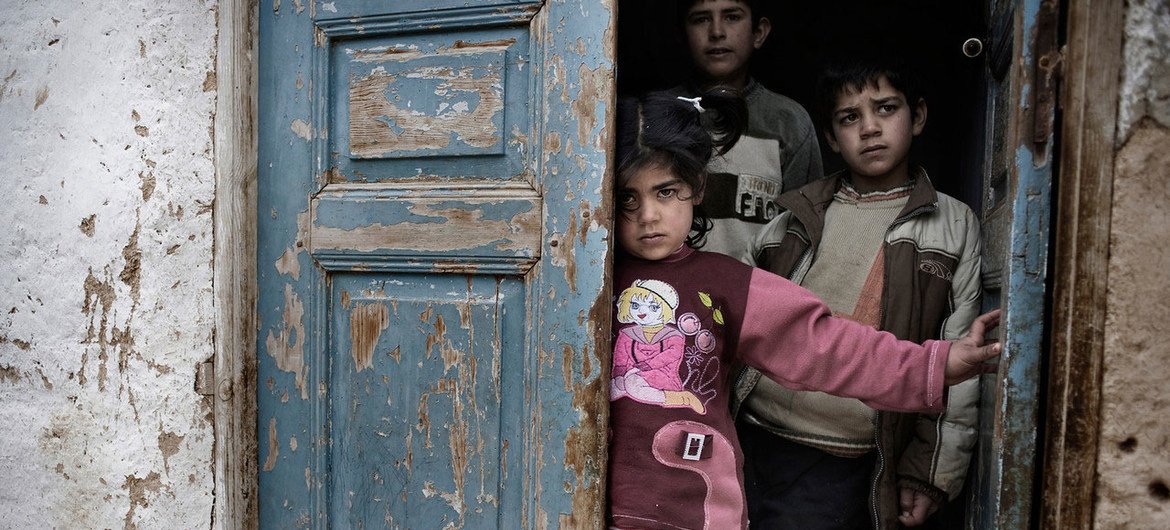
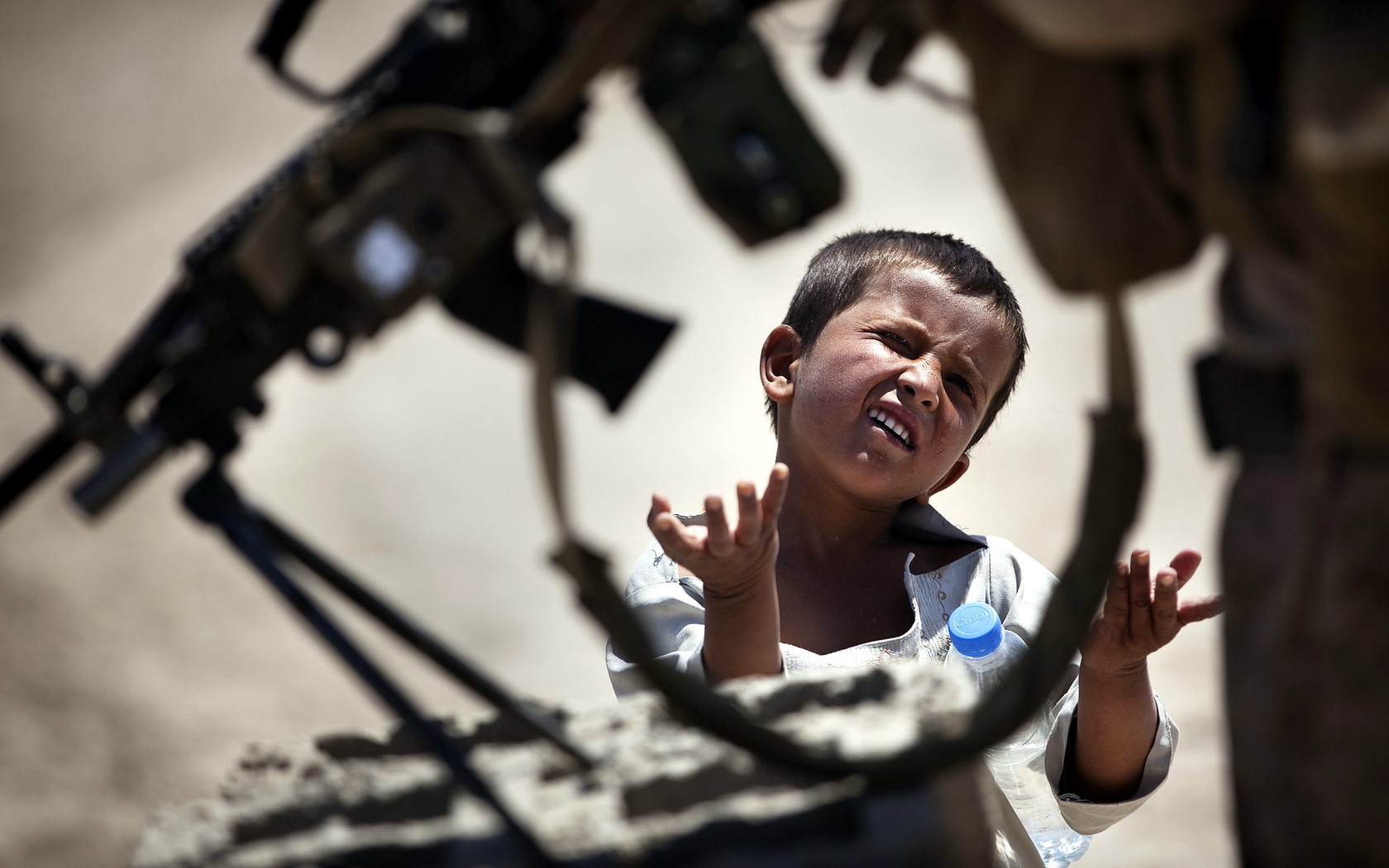
War and violent conflicts affect more than physical safety. They can leave a deep emotional impact on individuals, families, and entire communities. Even people living far away from conflict zones may experience anxiety, fear, sadness, and emotional distress after repeated exposure to disturbing news and social media content. Mental health professionals have observed a rise in stress-related symptoms among adults, teenagers, and children during periods of global conflict. Understanding these psychological effects can help individuals recognize early warning signs and seek timely support.
How War Impacts Mental Health
Exposure to war, violence, or traumatic events can affect emotional and psychological well-being in several ways. Some people directly experience trauma, while others may develop emotional distress through constant exposure to upsetting media coverage.
Common mental health effects include:
- Anxiety and panic attacks
- Emotional numbness
- Sleep disturbances and nightmares
- Persistent fear or worry
- Difficulty concentrating
- Mood swings and irritability
- Depression and hopelessness
- Social withdrawal
- Trauma-related stress reactions
For many individuals, these symptoms may gradually interfere with daily life, work performance, relationships, and physical health.
Can Watching War News Trigger Anxiety?
Yes. Constant exposure to distressing war-related news can increase stress and anxiety levels, especially in people already struggling with mental health conditions.Repeated viewing of graphic images, disturbing videos, and negative headlines may create:
- Fear about personal safety
- Helplessness and uncertainty
- Increased stress hormones
- Emotional exhaustion
- Health anxiety
- Difficulty sleeping
Children and teenagers may be especially vulnerable because they often struggle to process frightening information emotionally. Limiting excessive news consumption and taking regular digital breaks can help reduce emotional overload.
PTSD and Emotional Trauma After War Exposure
Post-Traumatic Stress Disorder (PTSD) may develop after experiencing or witnessing traumatic events. Refugees, survivors of violence, military personnel, and even civilians exposed to traumatic media coverage may develop symptoms associated with trauma.
Common PTSD symptoms include:
- Flashbacks and intrusive thoughts
- Severe anxiety Emotional detachment
- Hypervigilance Nightmares
- Avoidance behaviors
- Sudden emotional reactions
Without proper emotional support, trauma symptoms may persist for months or even years.
Impact of War on Children and Teenagers
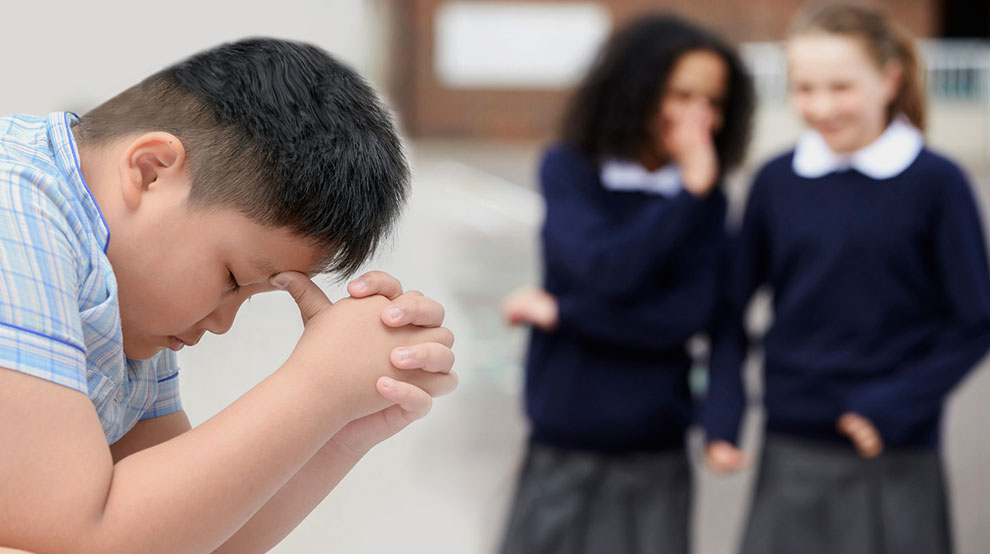
Children often react differently to emotional stress. Exposure to war-related information may create confusion, fear, and insecurity.
Warning signs in children may include:
- Sudden behavioral changes
- Bedwetting
- Increased clinginess
- Aggression or anger
- Social withdrawal
- Poor academic performance
- Sleep difficulties
Social Media and War Anxiety
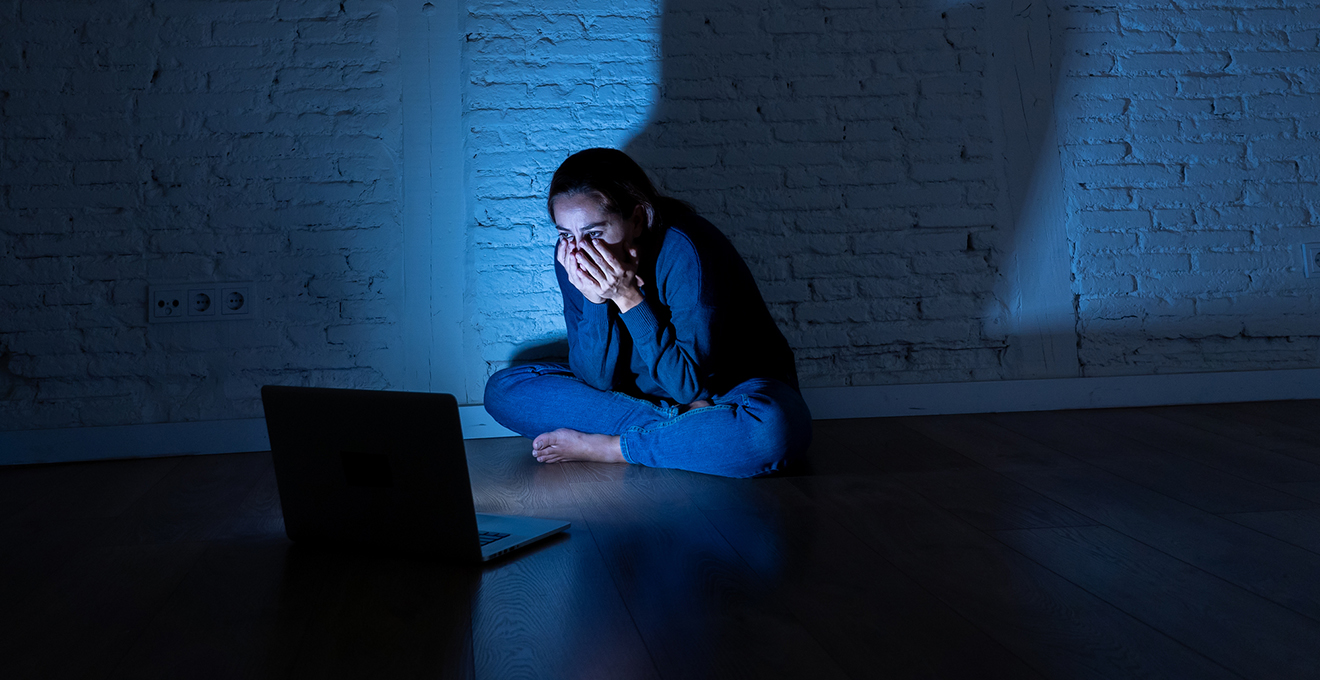
Social media platforms can intensify emotional distress because distressing content spreads rapidly and repeatedly. Doomscrolling through violent updates may worsen anxiety symptoms and emotional fatigue.
Healthy coping strategies include:
- Limiting screen time
- Avoiding graphic content
- Following reliable news sources
- Taking mental breaks from social media
- Practicing mindfulness and relaxation exercises
Maintaining emotional boundaries online is important during periods of global crisis.
Coping Strategies for Emotional Well-Being|
While global conflicts may feel overwhelming, several healthy coping methods can support mental wellness:
Stay Connected With Supportive People
Talking with trusted family members, friends, or mental health professionals can reduce emotional isolation.
Maintain Daily Routines
Simple routines such as regular sleep, exercise, and healthy eating can improve emotional stability.
Practice Stress-Management
Techniques Deep breathing exercises, meditation, journaling, and physical activity may help lower stress levels.
Seek Professional Help When Needed
Persistent anxiety, trauma symptoms, or emotional distress should not be ignored. Early psychological support can prevent symptoms from worsening.
When to Seek Professional Mental Health Support
Consider speaking with a mental health professional if symptoms continue for several weeks and begin affecting daily life. Professional support may help if you experience:
- Persistent sadness or anxiety
- Panic attacks
- Severe sleep disturbances
- Emotional numbness
- Difficulty functioning at work or school
- Trauma-related symptoms
Early intervention can significantly improve emotional recovery and long-term mental health outcomes.
Final Thoughts
War and conflict can affect mental health in complex ways, even for individuals living far from affected regions. Emotional reactions such as fear, anxiety, stress, and sadness are valid responses to disturbing events.
Understanding these psychological effects and seeking timely support can help individuals protect their emotional well-being during difficult times. Prioritizing mental health, limiting distressing media exposure, and staying connected with supportive people are important steps toward emotional resilience.